The Business of Fashion Podcast
The Business of Fashion
Beschreibung
The Business of Fashion has gained a global following as an essential daily resource for fashion creatives, executives and entrepreneurs in over 200 countries. It is frequently described as “indispensable,” “required reading” and “an addiction.” Hosted on Acast. See acast.com/privacy for more information.
Publisher & Vermarkter
Wer diesen Podcast veröffentlicht und wer die Werbeplätze vermarktet.
- Publisher Uns liegen aktuell keine Daten zum Publisher vor.
- Vermarkter Uns liegen aktuell keine Daten zum Vermarkter vor.
Podmon Kategorien
Darüber wird in diesem Podcast anteilig gesprochen.
Anzahl Kategorien
Upgrade dein Konto, um kontextuelle Kategorien zu sehen!
Chartplatzierungen
Aktuelle Platzierungen in den öffentlichen Podcast-Charts und in unseren eigenen Kategorien.
Apple Podcasts
PODMON Kategorien
Veröffentlichungshistorie
Episodenübersicht
What Did 2026 Reveal About the Beauty Industry?
18.11.2026
Beauty remains more resilient than luxury fashion, but the latest earnings reveal an increasingly uneven industry. L'Oréal continues to outperform, Estée Lauder's recovery is being driven by the niche fragrance category, and Korean beauty brands are challenging established players. Meanwhile, consumers are resisting price increases on affordable products while continuing to splurge on premium beauty.This week on The Debrief, Priya Rao, executive editor at the Business of Beauty, joins Sheena Butler-Young to discuss the industry's winners and losers, changing consumer priorities and where brands should place their bets in 2027.Additional Resources:What’s Motivating Beauty Shoppers? | BoF Big Beauty’s Plan to Make Shoppers Spend More | BoF K-Beauty’s Global Ambition: Wealthier Shoppers | BoF Hosted on Acast. See acast.com/privacy for more information.
Terrence O’Connor on Why Cultural Relevance Can’t Be Manufactured
13.11.2026
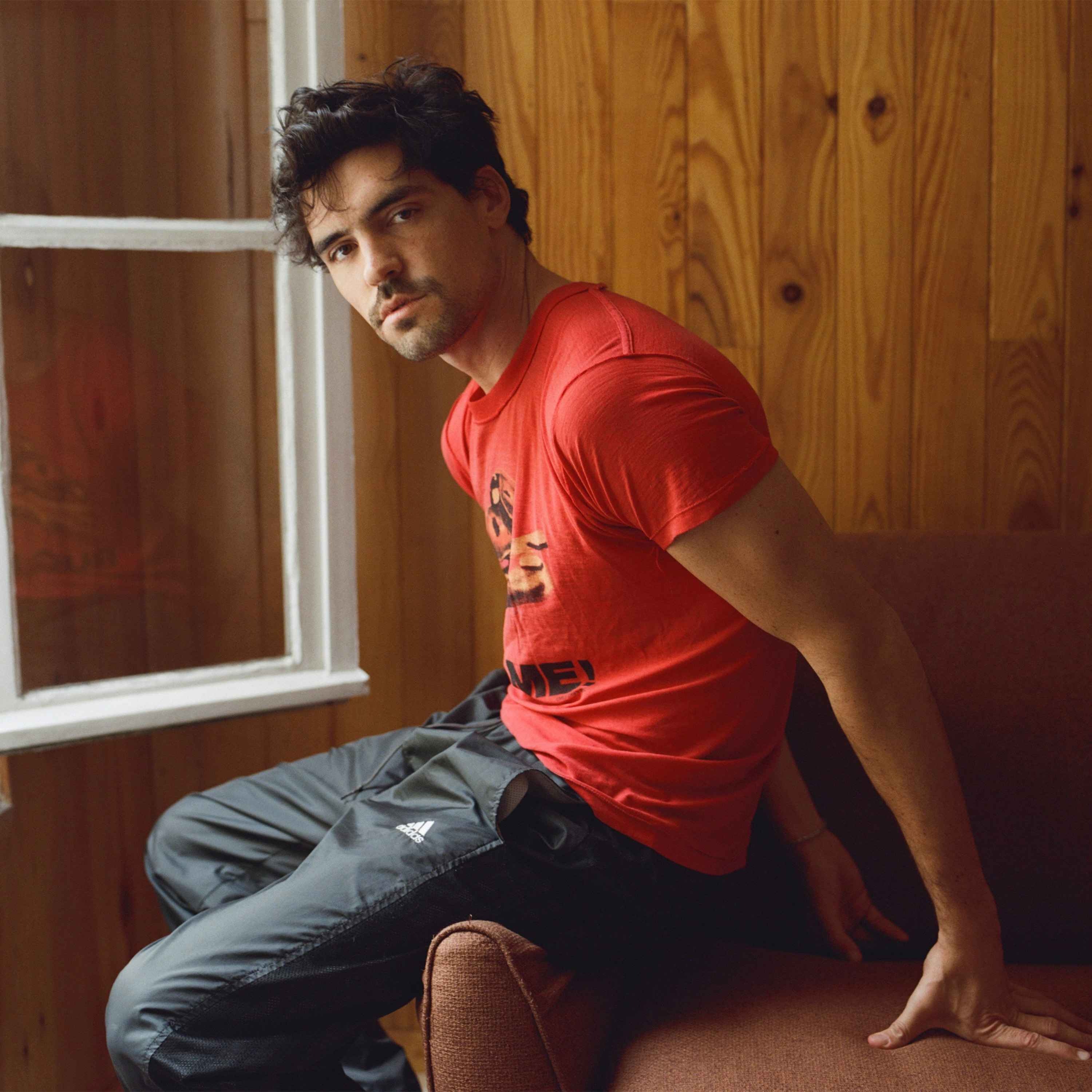
Terrence O’Connor has forged an unconventional path as a creative director and strategist, operating at the intersection of music, fashion and digital media. Raised in a traditional environment in Massachusetts, he built his career in Los Angeles by leveraging social platforms like TikTok and Instagram to help shape the digital presence of his peers.O’Connor’s approach has since led to roles defining the visual and strategic output for major artists, including Charli XCX and Troye Sivan, building cohesive worlds that span album rollouts, live performances and digital engagement.Beyond his work with artists, O’Connor is known for his weekly “cultural digest” videos. What began as an organic exercise in observing the ebbs and flows of online culture has established him as a commentator on the mechanics of the zeitgeist.This week on The BoF Podcast, O’Connor joins Imran Amed to talk about his transition from the East Coast to Los Angeles, the underlying principles of successful creative projects and how the fashion industry can better navigate the complexities of digital culture.Additional Resources:Terrence O’Connor | BoF 500 | The People Shaping the Global Fashion IndustryCan Fashion Sell ‘Brat Summer’? Hosted on Acast. See acast.com/privacy for more information.
Kategorien:

Is Fashion Sleeping on Twitch and Discord?
11.11.2026
Before Jarod John Leonard became a menswear label stocked at Harvey Nichols, its founders brought together fans of Japanese label Number (N)ine on messaging platform Discord. The group grew from 20 people to several thousand, giving the emerging brand an audience that had been there from the start, weighing in on everything from its first boots to fabric choices. On live-streaming platform Twitch, creators like Kai Cenat are bringing viewers along on shopping trips, sharing how their tastes are evolving and even launching fashion labels of their own.This week on The Debrief, senior correspondent Sheena Butler-Young speaks with BoF correspondent Lei Takanashi about how these platforms build trust and turn attention into fashion influence. They discuss how candid conversations and spontaneous moments help make these spaces so influential, and why brands risk losing that appeal when they try to commercialise it.Key Insights:Unlike more public-facing social platforms, communities like Discord can give fashion enthusiasts a space to connect over shared interests without the pressure to perform for an audience. That sense of authenticity can help foster the relationships and shared tastes that eventually form the foundation of a brand. “You could just come as your true self,” says Takanashi.Watching a creator discover clothes, question prices and decide what to buy gives viewers a sense of how their taste develops. Those spontaneous reactions can also drive purchases. Takanashi points to a Walmart stream where a creator’s enthusiasm for a $25 sneaker encouraged fans to buy it. “Just him saying that this shoe was dope led to tonnes of people picking up this $25 sneaker,” he says. The unpredictability helps distinguish these moments from a planned celebrity endorsement: “You can never tell what’s gonna happen next, Takanashi says.” The candid conversations that make Discord valuable can be difficult to reconcile with a brand’s desire to manage its messaging. Takanashi argues that companies should recognise the value of communities that develop independently, even when they cannot dictate the conversation. “I don’t necessarily think brands have to control those spaces, but I do think they should just pay attention to them,” he says. Listening gives brands access to feedback that a polished social media presence might miss: “That is where you’ll probably find the most honest opinions about your brand.”Takanashi sees parallels between streamer Kai Cenat and the late designer Virgil Abloh in their ability to connect with a generation through its preferred platforms and build communities around their taste. “They’re both cultural tastemakers, just in different spaces,” he says. He expects creators to retain influence over the young fans who grow up watching them, while recognising that other customers will continue to take their cues from craftsmanship and independent designers. Additional Resources:How Twitch and Discord Are Shaping Menswear’s Next Generation | BoF Can Culture Still Move the Needle in Sportswear? | BoF ‘Anything Is Possible’: Kai Cenat Collides Worlds of Fashion and Streaming | BoF Hosted on Acast. See acast.com/privacy for more information.